
Why the Serengeti is so unique
Great Migration and endless plains
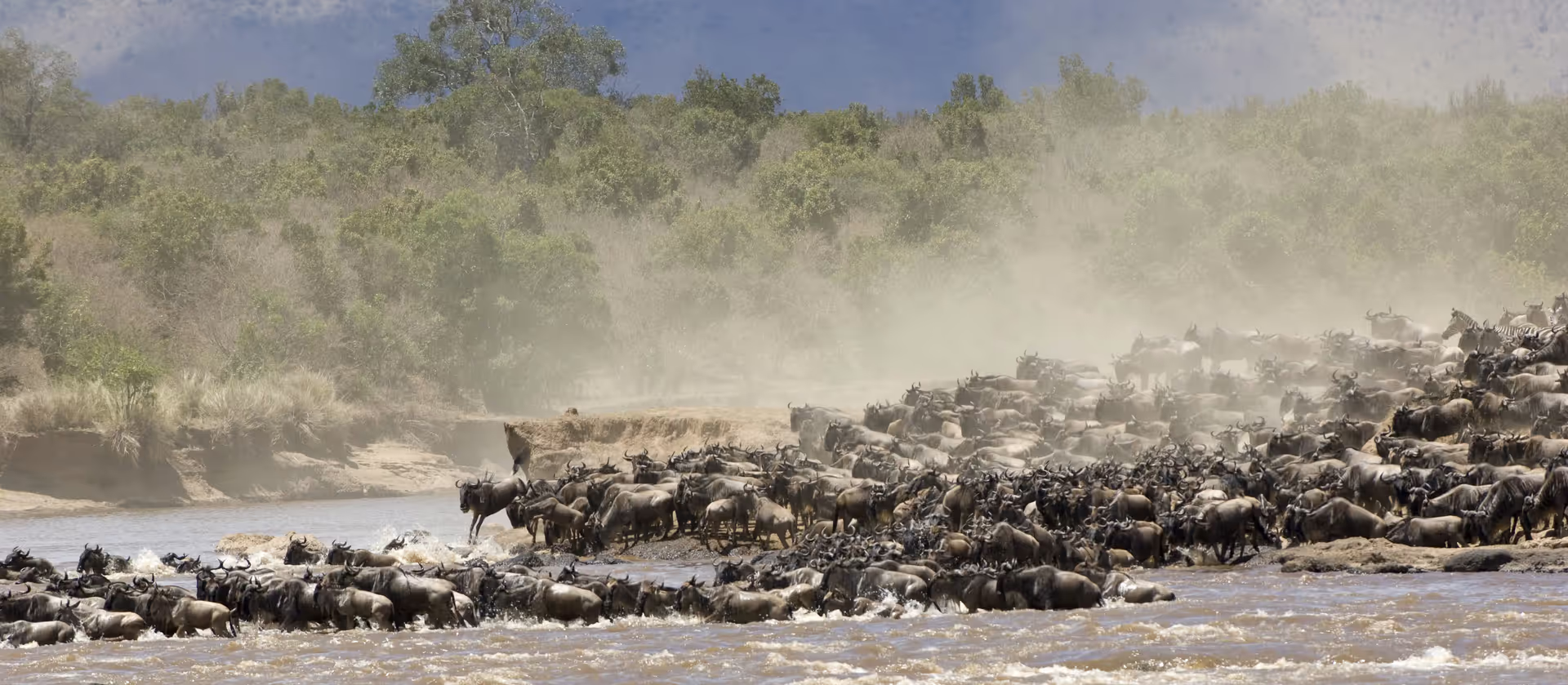
The Serengeti is one of Africa’s defining wilderness landscapes: vast grasslands, rocky kopjes, river corridors and an immense horizon. It is best known for the Great Migration, when huge herds of wildebeest, zebra and gazelle follow seasonal rains across the ecosystem. In the north, dramatic Mara River crossings can bring together fast-moving herds, crocodiles and waiting predators.
Predators, the Big Five and birdlife
Wildlife viewing extends far beyond the migration. The Serengeti supports excellent populations of lions, leopards, cheetahs, elephants and buffalo, while rhinos are present but more difficult to find. Hyenas, jackals, giraffes and large plains-game herds add constant movement. More than 500 recorded bird species include secretary birds, crowned cranes, eagles and lilac-breasted rollers.
A protected World Heritage landscape
The Serengeti has been a UNESCO World Heritage Site since 1981. Its protection helps safeguard migration routes, predator populations and the wider savannah ecosystem, supported by conservation work, research and cooperation with neighbouring communities.
Signature Serengeti experiences
Early-morning game drives reveal wildlife when temperatures are cooler and predators are often active. Other highlights include sunrise hot-air-balloon safaris, seasonal wildebeest river crossings, close big-cat encounters, dramatic golden sunsets and clear night skies above remote tented camps.
Best time to visit
The Serengeti is a year-round safari destination. The best area depends on the month and what you hope to experience. Migration herds move seasonally through the ecosystem, while resident wildlife and predators make the central Serengeti rewarding throughout the year. A well-planned itinerary should match the route and camp location to your travel dates rather than promise a fixed migration location.
What to expect
Game drives often begin early and may last several hours. Distances inside the ecosystem can be considerable, and roads are frequently dusty and bumpy. Lodges commonly provide Wi-Fi, although coverage can be limited in remote camps. Fly-in safaris can reduce driving time, while longer overland routes make it easier to combine the Serengeti with Tarangire and the Ngorongoro Crater.
Pack lightweight neutral-coloured clothing, warm layers for early mornings, comfortable closed shoes, sun protection, insect repellent, binoculars and a camera with a useful zoom. Soft-sided luggage is recommended for light-aircraft transfers.
